SALKANTAY TRAIL to Machu Picchu Best Inca Trail Alternative Route

17Find Departure Dates
Experience the breathtaking Salkantay Trek with our expert guides. Journey from snow-capped mountains to cloud forests before reaching Machu Picchu.

Salkantay Trek 2026 Key Highlights

Inca Intihuatana
Inca Intihuatana

Overview of the Salkantay Adventure

The Salkantay Trek stands as one of Peru's most spectacular hiking experiences, offering an incredible journey through five distinct ecosystems as trekkers make their way from the glacial peaks of Humantay and Salkantay Mountain (6,271m/20,574ft) to the lush cloud forests near Santa Teresa and Machu Picchu.

Inca Sun
Inca Sun

Named after the majestic Apu Salkantay (sacred mountain) —considered by local Quechua people to be one of the principal deities or "Apus" controlling the weather and fertility of the region— this trek provides an alternative route to Machu Picchu that surpasses the classic Inca Trail in both ecological diversity and stunning natural vistas.

"Salkantay" derives from the Quechua word "Sallka" meaning wild or invincible—a fitting description for both the imposing Andean mountain scenery and the challenging trek that bears its name.

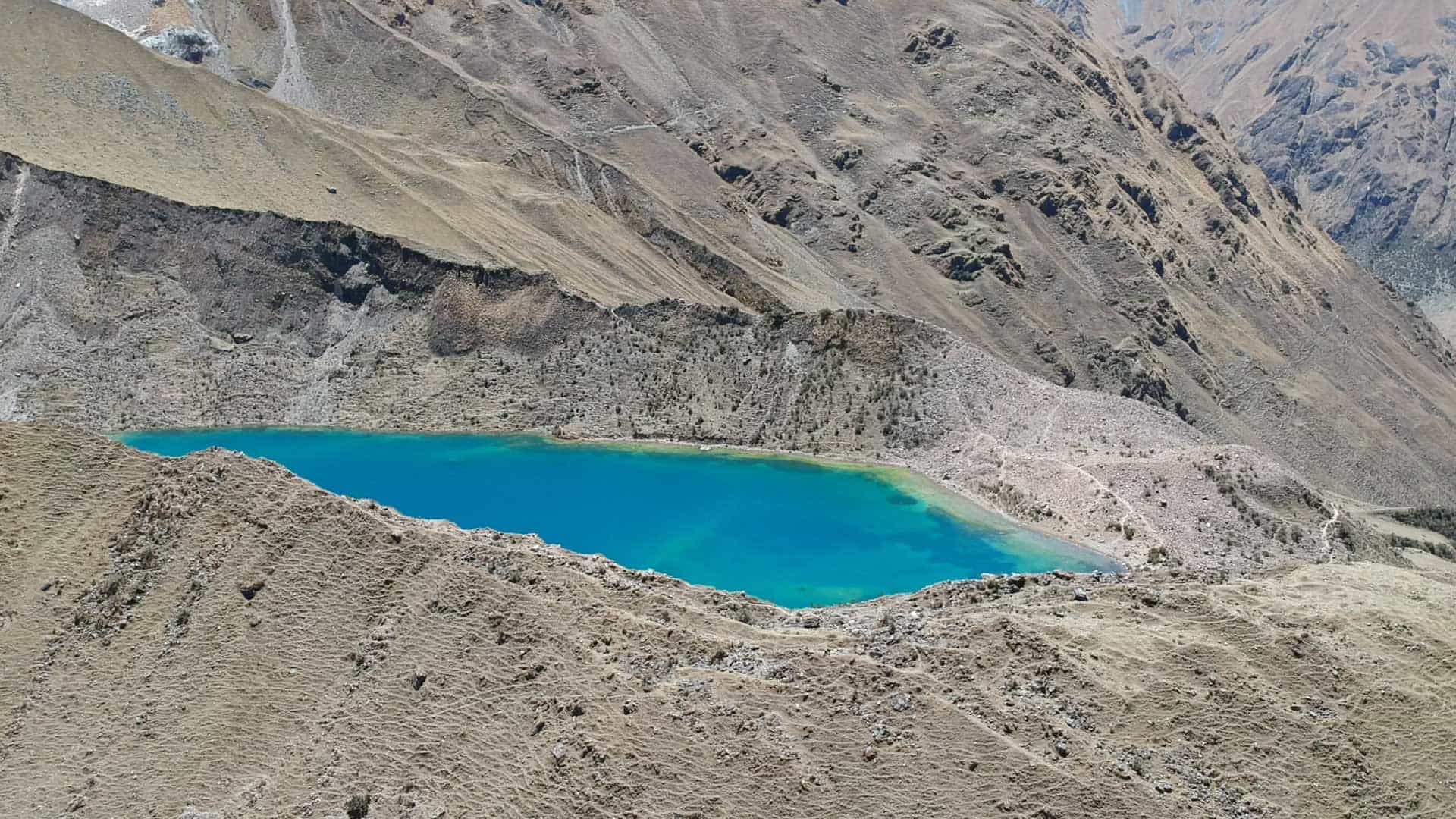
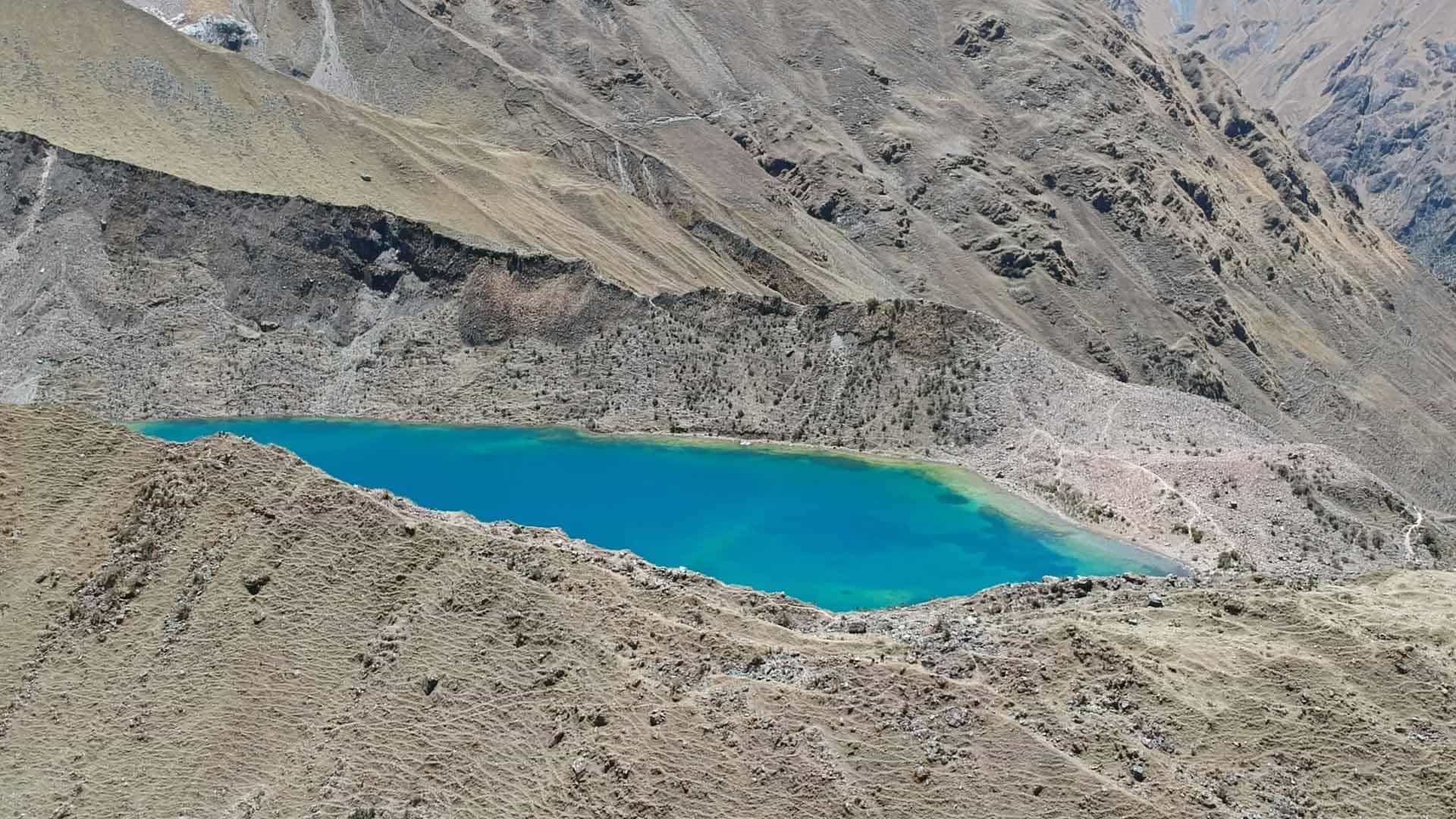
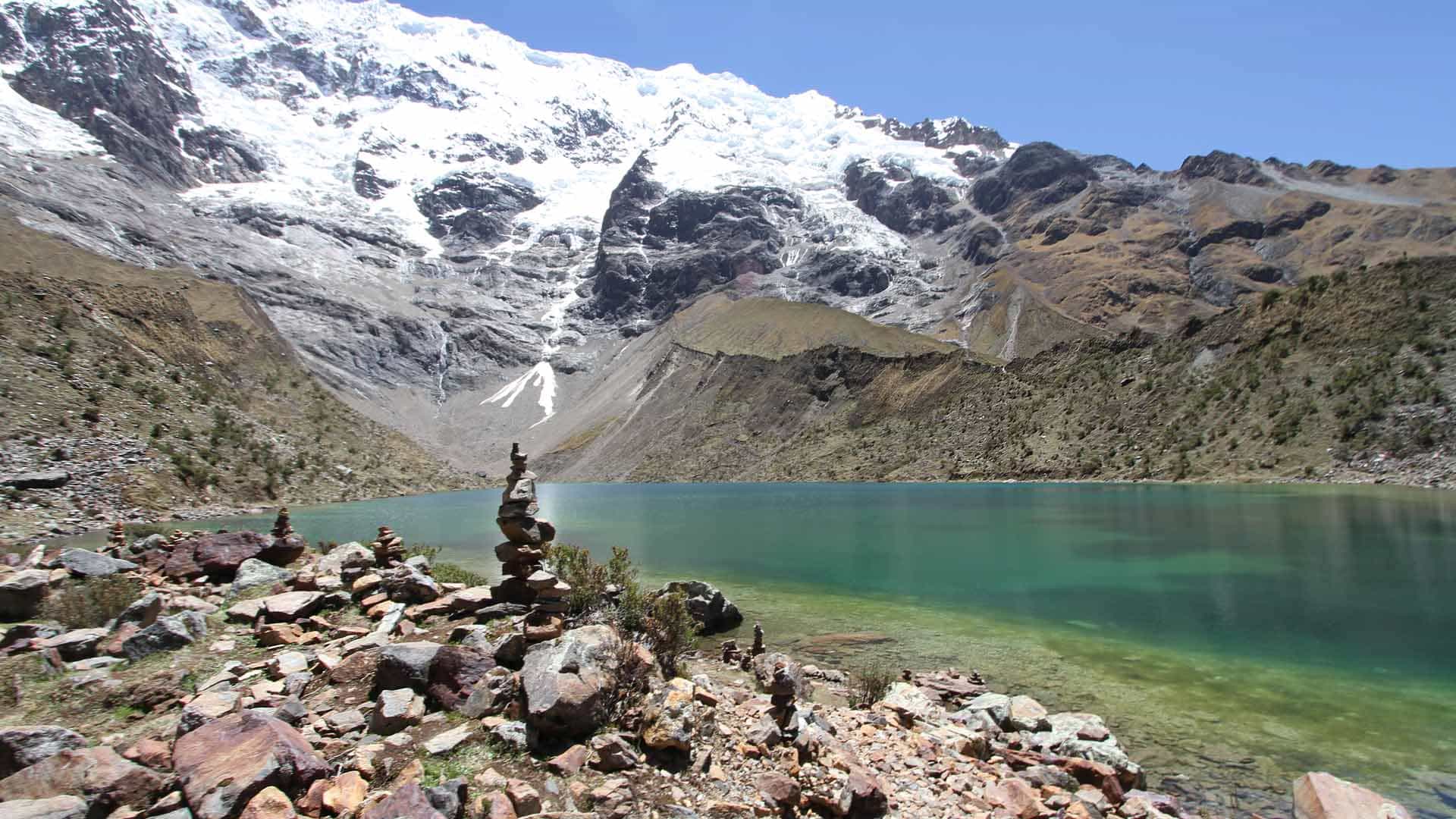
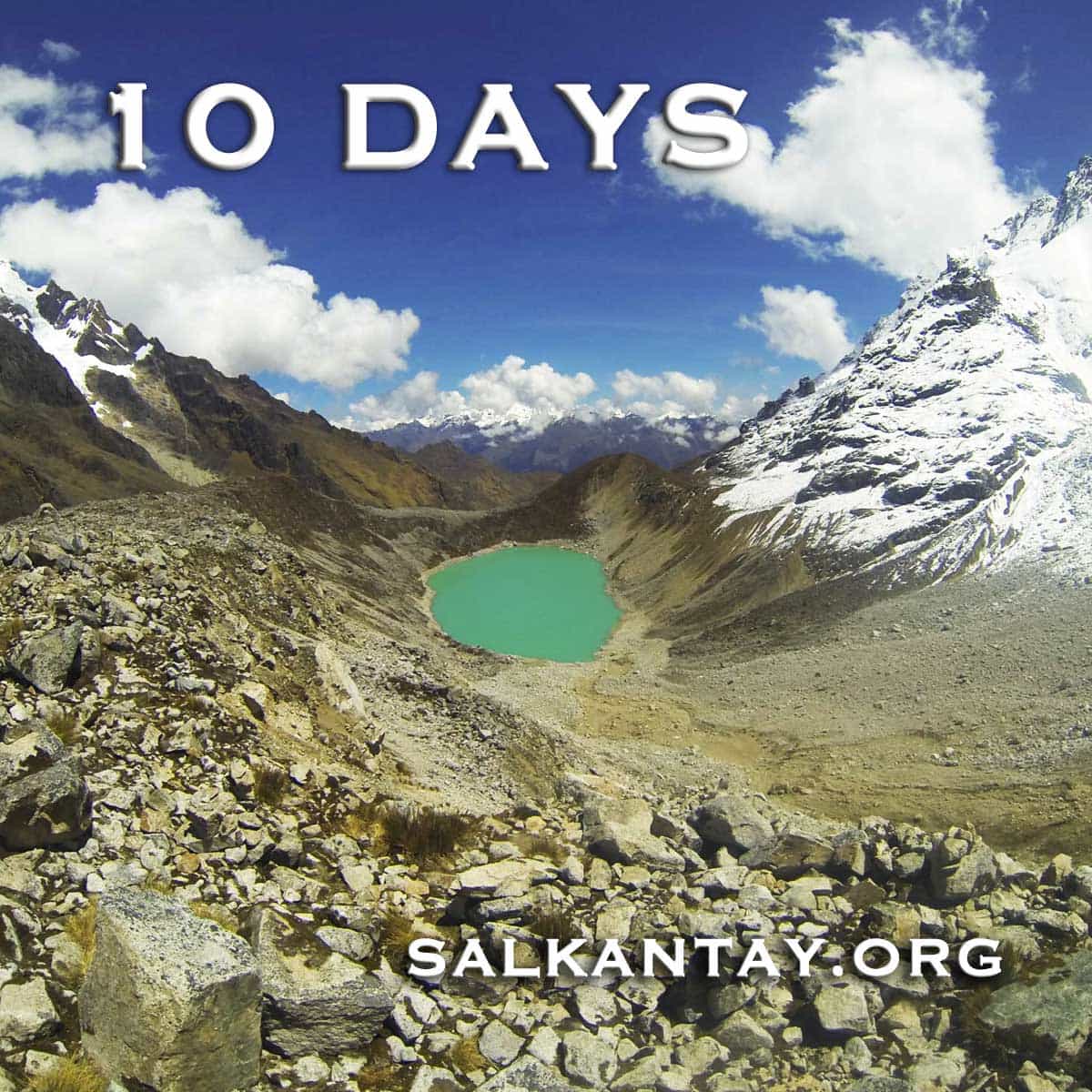
Humantay Lagoon (4250m) is a highlight for trekkers on this remarkable journey.

If you’re planning to tackle Salkantay, there are a few things to keep in mind. Please consider the following information as a starting point

Salkantay Inca Quipu

The 5 Ecosystems of the Salkantay Trek

What truly sets the Salkantay Trek apart is its passage through five dramatically different ecological zones, offering trekkers a spectacular natural diversity within a single journey. From high mountain glaciers to tropical cloud forests, each ecosystem presents its own unique flora, fauna, challenges, and rewards.

1. Alpine Tundra & Glacial Zone

Elevation: 4,600-4,650m (15,092-15,256ft)

The trek begins in the high Andean Alpine tundra ecosystem near Soraypampa, characterized by sparse vegetation, rocky terrain, and dramatic views of snow-capped peaks. Here, hardy grasses, cushion plants, and lichens dominate the landscape, adapted to extreme temperature fluctuations and high UV radiation.

Notable Flora & Fauna:

  • Yareta (Azorella compacta) - Ancient cushion plants that grow just 1.5cm per year
  • Andean geese
  • Occasional Andean condor sightings
  • Hardy alpine wildflowers during summer months

2. High Andean Grasslands (Puna)

Elevation: 3,900-4,600m (12,795-15,092ft)

As trekkers descend from the Salkantay Pass, they enter the Puna ecosystem, characterized by expansive grasslands dominated by ichu grass. This Andean ecological zone experiences extreme daily temperature variations, often freezing at night while warming considerably during daylight hours.

Notable Flora & Fauna:

  • Ichu grass (Stipa ichu)
  • Various ground-nesting birds
  • Vizcachas (similar to rabbits but related to chinchillas)
  • Occasional glimpses of Andean foxes

3. Queñua Forest

Elevation: 3,200-3,900m (10,499-12,795ft)

This rare high-altitude forest ecosystem is dominated by native Polylepis trees (locally known as Queñua), some of the world's highest-growing trees. These trees create an almost mystical environment, often shrouded in mist and home to unique bird species.

Notable Flora & Fauna:

  • Polylepis trees with their distinctive peeling red bark
  • Bromeliads and epiphytes
  • Giant hummingbirds
  • Royal cinclodes (endangered bird species)

4. High Jungle (Ceja de Selva)

Elevation: 2,500-3,200m (8,202-10,499ft)

As the trail continues to descend, trekkers enter the "eyebrow of the jungle"—a transition zone between mountain and Amazon ecosystems. This misty region features increased humidity, fern forests, and the beginning of more tropical vegetation.

Notable Flora & Fauna:

  • Tree ferns
  • Wild orchids
  • Rooster-of-the-rock (Peru's national bird)
  • Numerous butterfly species
  • Beginning of coffee and fruit plantations

5. Cloud Forest

Elevation: 1,900-2,500m (6,234-8,202ft)

The final ecological zone before reaching Aguas Calientes (the gateway to Machu Picchu) is the lush cloud forest. Perpetually humid and often shrouded in mist, this region bursts with cloud forest biodiversity, featuring moss-covered trees, countless orchid species, and a symphony of bird and insect sounds.

Notable Flora & Fauna:

  • Over 300 orchid species
  • Heliconia flowers
  • Hummingbirds
  • Butterflies in remarkable diversity
  • Coffee plantations visits and tropical fruit trees

Discover the original High Road to Ruins here.

Book Now

Call us from the US or Canada:📞 +1.310.4319.5788

💬 Chat Now

Salkantay Route: Day-by-Day Journey Through Ecosystems

The traditional Salkantay Trek spans 5 days and 4 nights with available 4-day variations. Here's what to expect on each day of this remarkable ecological journey:

Day 1: Cusco to Soraypampa

Distance: 12km (7.5mi)
Hiking Time: 5-6 hours
Elevation Gain: +900m
Ecosystems: High Andean valleys to Alpine tundra

Humantay Lake excursion and Alpine tundra hiking

Where does salkantay trek start? The Peru adventure begins with an early morning departure from Cusco (3,400m) and a 3-hour drive to Mollepata trailhead and Challacancha (3,700m), where the trek officially starts. The first day involves a steady ascent through high Andean valleys to reach Soraypampa (3,900m), where our small group will camp for the night.

This day offers incredible views of both Salkantay and Humantay mountains, with a initial hike to the stunning turquoise Humantay Lagoon. Here, trekkers experience their first ecosystem transition, moving from agricultural lands to the alpine tundra zone.

Day 2: Salkantay Pass Challenge

Distance: 18km (11mi)
Hiking Time: 7-8 hours
Elevation Change: +550m then -1,600m
Ecosystems: Alpine tundra to High Andean grasslands to Queñua forest edge

Salkantay glacier views

How high is salkantay pass? The second day presents the trek's greatest challenge, true Andean mountain trekking and highest point. After an early start from Soraypampa base camp, hikers climb steadily for approximately 3-4 hours to reach the Salkantay Pass (4,650m/15,256ft), where panoramic views of surrounding glaciers and valleys reward their efforts.

Following a brief celebration at the pass, the trail begins its dramatic descent, transitioning quickly from alpine tundra to high Andean grasslands. By late afternoon, trekkers reach Chaullay or Collpapampa (2,900m) for their second night's camp, with the first hints of the Queñua forest becoming visible as temperatures become noticeably warmer.

Day 3: Descending into the Cloud Forest

Distance: 16km (10mi)
Hiking Time: 6-7 hours
Elevation Change: -700m
Ecosystems: Queñua forest to High jungle

Through the World's highest forest

The third day brings one of the trek's most dramatic ecological transitions. Starting in the upper reaches of the Queñua forest, the trail follows the Santa Teresa River valley downward, with vegetation becoming increasingly lush with each kilometer.

By midday, trekkers find themselves surrounded by the distinct environment of the high jungle (Ceja de Selva), with opportunities to spot orchids, bromeliads, and numerous bird species. Stop at Playa Sahuayaco village or Lucmabamba coffee farms (2,100m) and then to Santa Teresa for the night, often enjoying fresh tropical fruits grown in this fertile region.

Day 4: Ancient Rainforest Paths

Distance: 18km (11mi)
Hiking Time: 6-7 hours
Elevation Change: +300m then -700m
Ecosystems: High jungle to Cloud forest

Cloud forest hiking

The fourth day typically follows portions of an actual Inca trail—not the famous one, but an ancient path that connected Machu Picchu to the jungle regions. This section winds through coffee plantations and dense cloud forest, offering glacier viewpoints of distant snow-capped peaks contrasted against tropical foliage.

According to the itinerary, make a stop at Llactapata Inca ruins, an Incan archaeological site with distant views of Machu Picchu across the valley or continue to Santa Teresa hot springs. The day concludes with a descent to the Urubamba River and then arrive to Aguas Calientes (1,900m), the town at the base of Machu Picchu.

Day 5: Machu Picchu Citadel

Distance: Varied
Time at Site: 2-4 hours
Elevation: 2,430m (7,972ft)
Ecosystem: Cloud forest

The Lost City of the Incas

The final day begins pre-dawn with either a challenging uphill hike or bus ride to reach Machu Picchu for sunrise. While technically still within the cloud forest ecosystem, the carefully maintained archaeological site presents its own microclimate and specialized plant communities.

After a guided tour of this UNESCO World Heritage site, trekkers have free time to explore the ancient citadel independently or hike to either Huayna Picchu or Machu Picchu Mountain for aerial views (additional permits required). By afternoon, a train and bus combination returns the group to Cusco, completing the journey through five distinct ecosystems.

♨ Cocalmayo Hot Springs

Do Not miss this incredible relaxation time at the hot springs in Santa Teresa
Inca Gold
Inca Gold

How long does it take to Hike to Machu Picchu?

Normally it takes 5 days to hike to Machu Picchu via the Salkantay Trail, considering the Cusco to Salkantay transport the first day and the 2 hours hike from Aguas Calientes town up to the citadel entrance the last day.

How high is the Salkantay Pass?

Passing through the Vilcabamba Mountain Range, the 37-mile Salkantay hike is not Everest or Annapurna but hill climbing through rough weather and terrain is all but guaranteed—even in the so‑called dry season.

The Salkantay Pass sits at 4,630 meters (15,190 feet) above sea level, making it the highest point of the trek and significantly higher than Machu Picchu itself (2,430m).

condor
condor
SALKANTAY TREK ALTITUDES AND DISTANCES
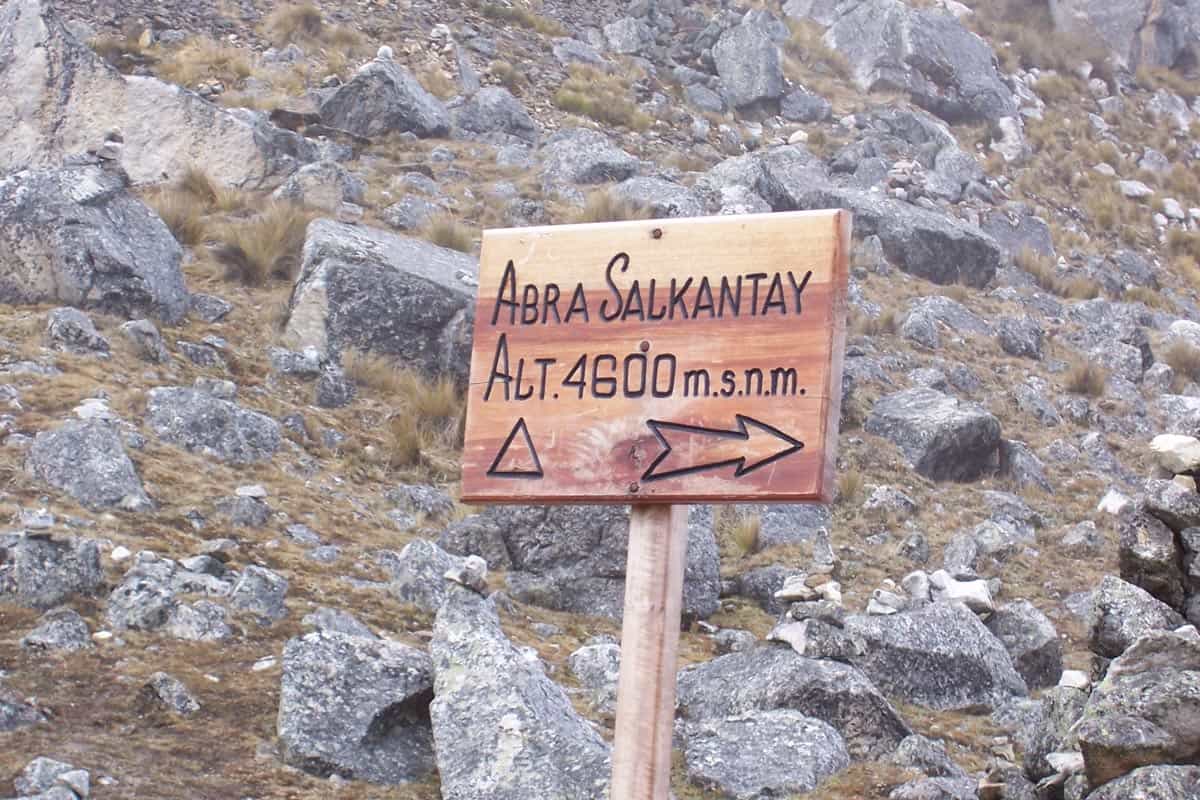
Altitudes and Distances along the Salkantay Trek. The Salkantay Route crosses the Abra Salkantay Pass at 4630 meters or 15190 feet above sea level, going down into the cloud forest, ascending to the Inca ruins of Llactapata for a great view of Machu Picchu and finally relaxing at the hot springs of Cocalmayo before heading to Machu Picchu Pueblo.

Salkantay Trek Distance

The Salkantay Trek covers roughly a distance of 60 kilometers or 37 miles and depending on your level of fitness, the estimated trekking time per day is around 6 to 7 hours the first three days and 3 hours the last stretch from Santa Teresa to Machu Picchu Pueblo.

It is possible to modify the total distance of the Salkantay trek by covering the part from Sahuayaco to Santa Teresa by car and from Hydroelectric to Aguas Calientes by train.

Return to Cusco

Trains depart from Machu Picchu Pueblo station regularly.

Depending on which train you select (Bimodal Train+Bus Service), the ride takes 90 minutes to Ollantaytambo station.

It takes 90 minutes from Ollantaytambo train station to Cusco by ground transportation.

If you have not visited Ollantaytambo, it is advisable to stay here for the night and enjoy the Sacred Valley and more ruins the next day.

Unforgettable Highlights of Your Salkantay Adventure

Each day on the Salkantay Trail is a new adventure, whether it’s revealing an amazing view or resting your muscles on the superb hot springs. While some experiences will stick out above the rest, here are a few stops that can’t be missed along the Salkantay Trail.

Discover the Turquoise Beauty of Humantay Lake

The unbelievable turquoise-water lagoon surrounded by the impressive Humantay and Salkantay Peaks offers one of the most gorgeous views in Peru.

Humantay Lake on the first day of the Salkantay Trek
Humantay Lagoon

Conquer the Majestic Salkantay Pass (4,630m/15,190ft)

You will be face to face with the sacred Salkantay mountain upon reaching this point at 4630 meters or 15190 feet above sea level. A jaw-dropping vista as Salkantay elevation reaches 6271 meters or 20574 feet above sea level.

Visit Llactapata Inca Ruins

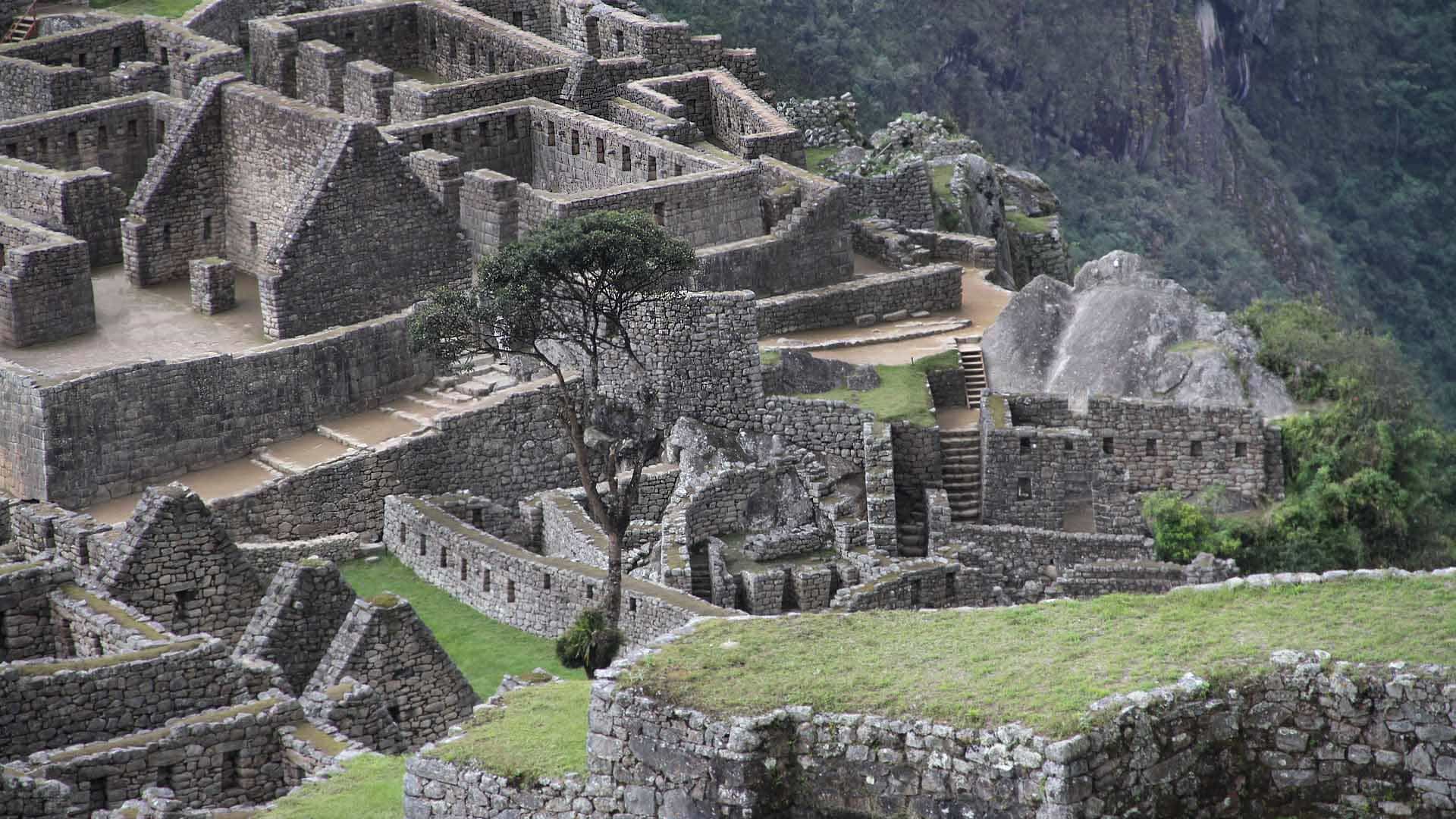
Some would say that no Inca ruins are visited during the Salkantay Trek, but we have the option to explore these archaeological remains discovered by Hiram Bingham himself. An amazing view of Machu Picchu is enjoyed from this point.

Inca Architechture
Inca Architechture

Relax at the Cocalmayo Hot Springs in Santa Teresa

With important healing properties and reaching 45 ºC, these natural thermal baths are ideal to relax and recover your sore muscles after a long hiking day.

Best Time of Year to Trek the Salkantay Route

The Salkantay region, like much of the Andes, experiences two primary seasons that significantly impact trekking conditions:

SeasonMonthsAdvantagesChallenges

Dry Season (Peak)

🌤
May to September
  • Minimal rain
  • Clear mountain views
  • More reliable conditions
  • Stable trails
  • Larger crowds
  • Colder nights (especially June-July)
  • Advance booking essential

Shoulder Seasons

🌦
April and October
  • Fewer trekkers
  • Blomming wildflowers (April)
  • Lush landscapes
  • Unpredictable weather
  • Occasional rain
  • Some morning fog
  • Slight risk of trail issues

Rainy Season

🌧
November to March
  • Vibrant cloud forests
  • Fewer visitors
  • More wildlife activity
  • Regular heavy rainfall
  • Muddy, slippery trails
  • Limited visibility
  • Risk of cancellations
SALKANTAY TREK WEATHER CHART
Salkantay Trek Weather Chart. While Machu Picchu is open all year round, April, May, June, September and October are optimal months for experiencing the Salkantay Trek.
Inca Sign
Inca Sign

For those wanting to beat the crowds and don't mind some heavy rainfall, opt for the months of November, December or March but note the Andes mountain chain can experience inclement weather in rainy season. Cancellations may occur when road is closed due to rain, this usually happens in the months of January and February. July and August are peak season and have high visitor numbers, meaning an influx of hikers on the Salkantay trail.

BEST TIME TO HIKE THE SALKANTAY TRAIL
Best time to hike to Machu Picchu via the Salkantay Trail

Preparing for Your Trek

How difficult is the Salkantay Trek? The Salkantay Trek presents moderate to challenging difficulty, particularly due to the elevation and varied terrain. Proper High altitude preparation is essential for enjoying this remarkable journey:

Physical Preparation

Andean Poles
Andean Poles

“Am I out-of-shape for a Machu Picchu Hike?” It’s a common question you might be asking yourself.

If you love the outdoors, nothing can stop you from the hiking adventure of a lifetime regardless of your fitness level. But remember that giving yourself time to prepare before the trip will make it more enjoyable.

Begin cardiovascular and strength training at least 2-3 months before your trek.

Try these 5 fitness tips to trek Salkantay and give yourself the confidence to accomplish a good performance on the trail.

  1. Focus on your cardiovascular fitness and leg strength.

    Get involved in aerobic activities such as swimming, cycling, brisk walking or jogging. Add a short period of more strenuous exertion into your routine.

    Leg strength: Jumping jacks, squats, lunges, leg and calf raises, hops, and even plank-jacks are great bodyweight exercises that require no special equipment or skill and will prepare your muscles for long days of hiking.

  2. Get a strong back and core.

    Strap on your pack with a few bottles of water and practice "step ups". This will get your back ready for the weight you'll be carrying on the hike.

    Push-ups, crunches, bridges, and planks are some of the best exercises to build a strong back and core.

    Core strength: A strong core helps with balance on uneven terrain and supports your back when carrying a daypack

  3. Stop eating those extra calories

    Choosing healthier foods and drinks can make you look and feel better as well as making a big difference to your health.

    Eat more fruit, load up on vegetables, keep your carbohydrates limited, drink plenty of water and you will for sure get fit for your hike.

  4. Try local hikes.

    Look for places with variable terrain and take yourself out for a walk two or three times during the week. Let your body know you're going to be pushing it beyond your daily routine.

    Be sure to wear the same shoes that you'll be wearing on your hike. Improving your balance can prevent injuries.

    Uphill walking/hiking: Build endurance by incorporating hills or stair climbing into your routine

    Endurance: Gradually increase the length of your training hikes to 5-6 hours

  5. Try Yoga and meditation.

    You will notice a huge difference in how you feel prior to your hike if you incorporate a consistent yoga routine.

    Combat fear by visualizing success and realizing why you’re taking an adventure trip and knowing you will have the best support available.

SALKANTAY FITNESS SQUAT LEG WORK
Salkantay Squat
Inca Chasqui
Inca Chasqui

Important:Even if you’re in pretty good shape, it’s important not to push yourself too hard at higher altitudes.

Altitude Acclimatization

The Salkantay Pass reaches 4,650m (15,256ft), where oxygen levels are significantly lower than at sea level. Altitude sickness is an important concern that can affect anyone regardless of age or fitness level.

  • Arrive early: Plan to spend at least 2-3 days in Cusco (3,400m) before beginning your trek
  • Hydrate extensively: Drink plenty of water daily during acclimatization
  • Avoid alcohol: Abstain from alcoholic beverages before and during the trek
  • Consider medication: Consult your doctor about preventative medication like Acetazolamide (Diamox)
  • Take it slow: Even after acclimatization, maintain a moderate pace, especially during the first two days

Mental Preparation

The Salkantay Trek involves camping in remote areas and potential exposure to challenging Salkantay weather conditions. Mentally preparing for these aspects is just as important as physical training:

  • Embrace simplicity: Adjust expectations regarding amenities and comforts
  • Practice mindfulness: The trek offers a perfect opportunity to disconnect from technology and practice presence
  • Research cultural context: Understanding the significance of the landscapes and sites enhances the experience
  • Prepare for variable weather: Mental flexibility regarding itinerary changes due to weather conditions

Essential Salkantay Packing List for Cross-Ecosystem Trekking

Traversing five distinct ecosystems means preparing for multiple climate zones within a single day. Your packing strategy should embrace layering and versatility, here are some Salkantay packing tips:

Tips on What to Pack for the Salkantay Trek

Backpack: A 35-liter backpack should be more than enough. Needs to feel comfortable on your shoulders and if it includes a hydration system you are off to the races. Request an additional horse for excess weight if needed.

Inca Backpack
Inca Backpack

Footwear: This is the most important piece of gear for your trip to Machu Picchu. Assess your own needs, whether that be arch support, breathability or weight. Finding what makes your feet happy is critical.

Socks: Much like your footwear, the socks you wear on the Salkantay hiking trail can also have a significant effect on your comfort. Good ones will reduce pain, blisters, pressures and moisture.

Underwear: Choose moisture-wicking, quick-dry, tagless waistbands, odor resistance underwear.

Clothing

  • Base layers: 2-3 moisture-wicking t-shirts and 1-2 long-sleeve shirts
  • Mid layers: Lightweight fleece and packable down/synthetic jacket
  • Outer layer: Waterproof and breathable rain jacket and pants
  • Hiking pants: 1-2 pairs (convertible zip-off recommended)
  • Hiking shorts: 1 pair (if not using convertible pants)
  • Underwear: 4-5 pairs of moisture-wicking underwear
  • Socks: 4-5 pairs of hiking socks (wool blend recommended)
  • Hat with brim: For sun protection
  • Warm hat: For cold evenings and mornings
  • Buff/neck gaiter: Multifunctional for sun, dust, and warmth
  • Gloves: Lightweight but warm

Footwear

  • Hiking boots: Broken-in, waterproof, with ankle support
  • Camp shoes: Lightweight sandals or trail runners for evening
  • Gaiters: Optional but useful for muddy conditions

Trekking Gear

  • Backpack: 25-35L daypack if using porters/mules
  • Trekking poles: Highly recommended for steep sections
  • Headlamp: With extra batteries
  • Water bottles/hydration system: Capacity for at least 2 liters
  • Water purification: Tablets, filter, or UV device

Camping Equipment

  • Sleeping bag: Rated for -5°C (23°F) even in summer Available for rent
  • Sleeping pad: For insulation and comfort **Provided**
  • Tent: **Provided**

Health & Hygiene

  • Sunscreen: Minimum SPF 50
  • Lip balm: With SPF
  • Insect repellent: Essential for cloud forest sections
  • Personal medications
  • Basic first aid kit
  • Hand sanitizer
  • Biodegradable soap
  • Quick-dry towel
  • Toilet paper
  • Altitude sickness medication (consult doctor)

Electronics & Documentation

  • Camera: With extra batteries and memory cards
  • Phone: In waterproof case
  • Portable charger: Solar options available
  • Passport and copies
  • Insurance documents
  • Cash in small denominations (soles)

Ecosystem-Specific Items

  • Alpine zones: Warm layers, UV protection
  • Cloud forest: Quick-dry clothing, insect protection
  • River crossings: Quick-dry towel, water shoes
  • Cultural sites: Modest clothing for local communities

Salkantay Trek vs. Inca Trail: Ecological Comparison

Is Salkantay harder than Inca Trail? While the Inca Trail remains Peru's most famous trek, the Salkantay route offers significant advantages for nature enthusiasts and those interested in ecological diversity:

AspectSalkantay TrekClassic Inca Trail

Ecological Diversity

  • Five distinct ecosystems
  • Greater elevation range
  • More dramatic transitions
  • Three main ecosystems
  • Less elevation variation
  • More gradual transitions

Wildlife Opportunities

  • More varied habitats
  • Better bird-watching potential
  • Increased chance of mammal sightings
  • More consistent forest habitat
  • Concentrated bird species
  • Limited large mammal presence

Flora Highlights

  • Alpine to tropical species
  • More orchid varieties
  • Greater plant diversity overall
  • Focus on cloud forest and high-altitude species
  • More uniform plant communities
  • Still impressive orchid presence

Archaeological Content

  • Fewer Inca ruins
  • Focus primarily on natural features
  • Culminates at Machu Picchu
  • Multiple Inca sites along route
  • Historical focus
  • Culminates at Machu Picchu

Accessibility

  • No permits required (currently)
  • More flexible booking
  • Limited daily permits
  • Books out several months in advance

For travelers primarily interested in natural diversity, ecological transitions, and experiencing Peru's remarkable biodiversity, the Salkantay Trek offers a superior experience. Those more focused on Inca history and archaeology might prefer the classic Inca Trail.

Inca Wall
Inca Wall

When to book Salkantay Trek Adventure

If hiking to Machu Picchu is on your bucket list, you might want to consider the Salkantay Trek as a great option to reach the Inca Citadel.

Please read important information about Salkantay bookings and contact us with any question or requirement you may have. We are rated as one of the best salkantay trek companies.

No permit trekking limitations exist to hike the Salkantay Trail, access is available all year round, but we recommend making a Salkantay reservation now so we can handle all the logistics and you can focus on the important tasks like booking the international flight or getting fit to hike to Machu Picchu.

CHAKANA INCA SIGN ON THE SALKANTAY TREK
Salkantay
TREKSPECIAL+ Cusco Acclimatization & Accommodation8-Day PackageUSD 829.00 🥇
🎟 Machu Picchu ticket included

Explore Our Premium Salkantay Trek Experiences

The best Peruvian adventure tourism, small group Salkantay itinerary options with no permit required treks

Salkantay Trip Advisor Excellence

TripAdvisor Excellence

Common Questions About the Salkantay Trail in Peru | The Best Machu Picchu Trek in 2026 .

There are multiple reasons why travelers choose the Salkantay Trail to Machu Picchu. These are the top reasons: 1) The classic Inca Trail permits were sold out, and Salkantay offers a spectacular alternative without permit restrictions. 2) Travelers want to experience diverse ecosystems from the Andes mountains to cloud forest in one journey. 3) The breathtaking views of Salkantay Mountain (6,271m) and other Andean peaks are unforgettable. 4) It's less crowded than the classic Inca Trail, providing a more authentic experience. 5) The trek offers a perfect balance of challenge and accessibility for moderate-level hikers. 6) Many appreciate the opportunity to visit local communities and experience authentic Andean culture along the route. The Salkantay Trek provides a perfect combination of natural beauty, physical challenge, and cultural immersion.

The Salkantay Trek is considered a moderate to challenging trek. The most difficult section is crossing the Salkantay Pass at 4,630 meters (15,190 feet) above sea level. We recommend trekkers have a moderate fitness level and spend at least 2-3 days in Cusco to acclimatize to the altitude before beginning the trek. Most people who exercise regularly can complete the trek, but those with no hiking experience or poor physical condition may struggle. The trek involves 6-8 hours of hiking daily across varied terrain including steep ascents and descents. Proper preparation and acclimatization are key factors in enjoying this journey.

Essential items for the Salkantay Trek include: a good quality daypack, broken-in hiking boots, layered clothing for variable weather conditions, a warm jacket and thermal layers, rain gear, sun protection (hat, sunglasses, sunscreen), a headlamp, sleeping bag, personal medications, toiletries, and a water bottle or hydration system. Optional but recommended items are trekking poles (you can rent a pair from us), camera, small first aid kit, insect repellent, and snacks. We provide all camping equipment including tents, cooking utensils and sleeping mats. Remember that nights can be very cold, especially at higher altitudes, so proper thermal clothing is essential.

Altitude sickness can affect trekkers on the Salkantay route. The highest point of the trek is Salkantay Pass at 4,630 meters (15,190 feet), where oxygen levels are significantly lower than at sea level. We strongly recommend spending at least 2-3 days in Cusco (3,400m) to acclimatize before starting the trek. Symptoms of altitude sickness can include headache, nausea, dizziness, and fatigue. Our guides are trained to recognize symptoms and provide assistance. We also recommend drinking coca leaf tea, staying hydrated, avoiding alcohol, and considering altitude medication after consulting with your doctor before the trip.

The traditional Salkantay Trek is 5 days and 4 nights, covering approximately 72 kilometers (45 miles). However, we offer variations including 4-day and 7-day options (with Cusco accommodation). The classic 5-day itinerary includes trekking from Challacancha to Soraypampa, crossing Salkantay Pass, descending through cloud forest to Chaullay, continuing to La Playa and Llactapata for views of Machu Picchu, before reaching Aguas Calientes. On the final day, trekkers visit Machu Picchu before returning to Cusco. Each day involves between 6-8 hours of hiking, with the highest altitude reached on day two.

The best time for the Salkantay Trek is during the dry season from April to October, with May through September offering the most reliable weather conditions. During these months, you can expect clear skies and spectacular views of the mountains. The wet season (November to March) brings more challenging conditions with heavy rainfall, muddy trails, and occasional trail closures. If you trek during shoulder seasons (April or October), you'll find fewer crowds while still enjoying relatively good weather.

Yes, we specialize in private Machu Picchu Trek experiences tailored to your specific needs and preferences. Private treks allow for flexible departure dates, customized itineraries, and a more personalized experience. You can request a private trek itinerary to see examples of previous customized journeys.

Salkantay Trail: Journey Through Ecosystems from Glacier to Cloud Forest in 2026

We have pioneered Peru's most breathtaking ecological journey - traversing from magnificent Andean peaks to tropical valleys - establishing what has become a premier trekking route to Machu Picchu. The Salkantay Trail is a unique entrance into the Inca’s historical and cultural beauty.

Book Salkantay Package

Copyright © 2026 Salkantay.org —Terms of ServicePrivacy Policy

Salkantay View